Workplace Bullying Laws California: What You Need To Know

California is making headlines with its powerful new workplace bullying laws for 2025. Employers can now face fines of $500 for every violation if they intimidate or retaliate against workers who refuse to attend political or religious meetings. Most people think bullying only means hurt feelings or harsh words. In reality, the legal changes now treat emotional distress with the same seriousness as physical harm and give every worker stronger rights than ever before.
Table of Contents
- Understanding Workplace Bullying In California
- Key Laws Protecting Employees In 2025
- Expanded Legal Protections Against Workplace Harassment
- Intersectionality And Comprehensive Anti-Discrimination Measures
- Worker Protection And Freedom Of Expression
- How To Respond To Workplace Bullying
- Documenting And Gathering Evidence
- Establishing Professional Boundaries And Seeking Support
- Formal Reporting And Legal Considerations
- Legal Options And Resources For California Workers
- State Agency Support And Complaint Mechanisms
- Understanding Legal Protections Under Feha
- Additional Legal Recourse And Support Strategies
Quick Summary
| Takeaway | Explanation |
|---|---|
| Document Incidents of Bullying | Keep detailed records of bullying incidents to support any claims. Document dates, times, and descriptions, and save communications as evidence. |
| Understand Your Legal Protections | Familiarize yourself with California’s laws against workplace bullying under FEHA for your rights and protections. Be aware of how these laws provide recourse against harassment. |
| Report Bullying Internally First | Utilize your company’s reporting channels before escalating to external agencies. This can sometimes lead to quicker resolutions and protects your rights. |
| Seek Professional Guidance | Consult with employment law professionals for guidance and support. Legal experts can help evaluate your situation and recommend the best actions to take. |
| Know Retaliation Protections | Understand that California law protects you from retaliation for reporting bullying. This assurance helps encourage employees to report without fear of consequences. |
Understanding Workplace Bullying in California
Workplace bullying represents a serious and often misunderstood form of professional misconduct that can significantly impact an employee’s mental health, job performance, and overall career trajectory. In California, employees are protected by robust legal frameworks designed to address and prevent such harmful behaviors.
Defining Workplace Bullying in Legal Terms
Workplace bullying goes beyond occasional disagreements or isolated incidents. It involves repeated, intentional behaviors that create a hostile work environment through persistent psychological harassment, verbal abuse, intimidation, or humiliation. The California Civil Rights Department recognizes these actions as potentially violating employee rights and professional conduct standards.
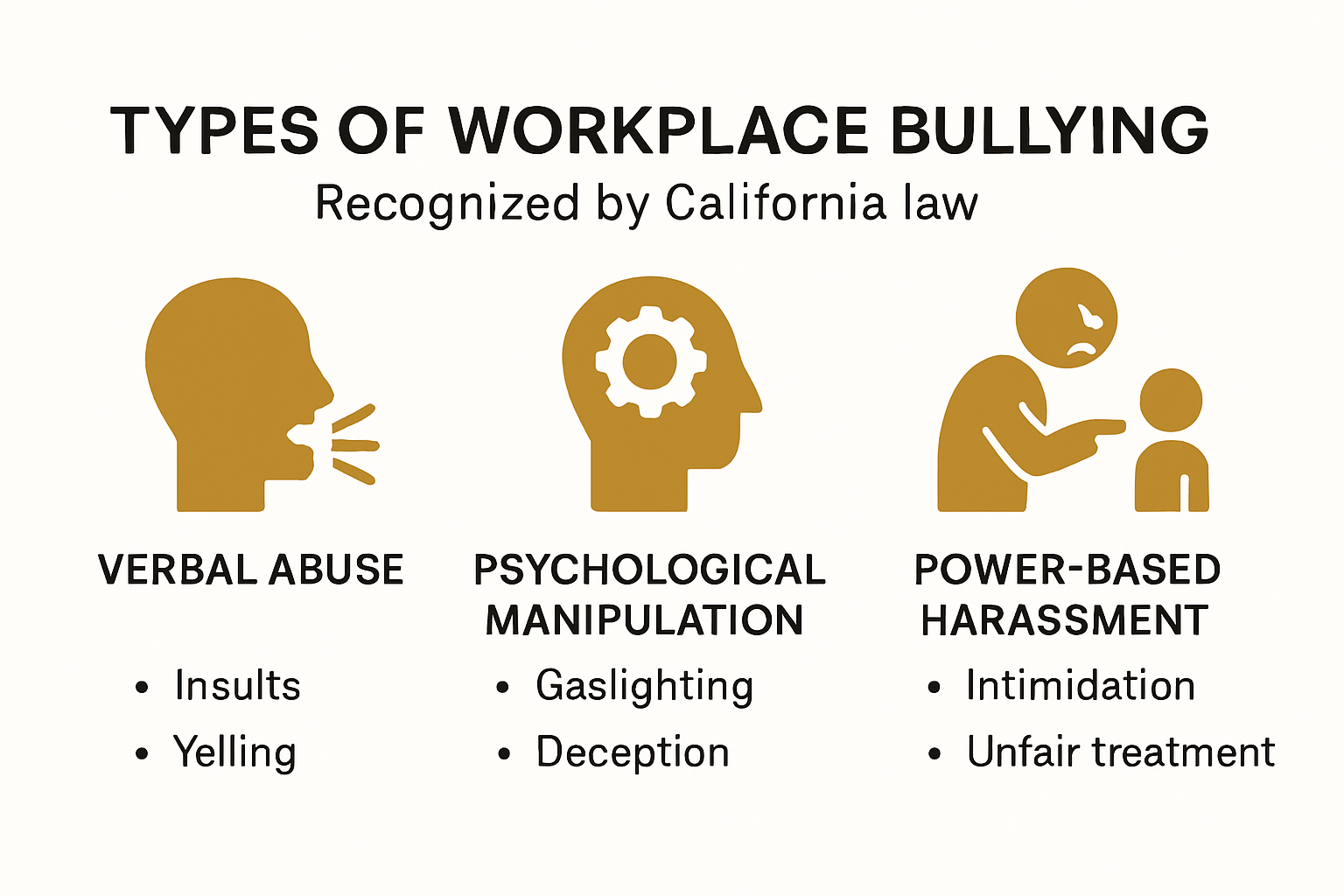
Specifically, workplace bullying can manifest through various tactics such as:
- Verbal Abuse: Consistent negative comments, personal attacks, or demeaning language
- Psychological Manipulation: Undermining an employee’s work, spreading malicious rumors, or isolating them from professional opportunities
- Power-Based Harassment: Using hierarchical positions to intimidate, threaten, or control employees
Legal Protections Under California Law
The California Fair Employment and Housing Act (FEHA) provides comprehensive legal protections against workplace bullying, particularly when such behavior intersects with discrimination based on protected characteristics. While not every instance of workplace bullying is automatically illegal, the law offers significant safeguards for employees experiencing systematic harassment.
California law recognizes that workplace bullying can create substantial emotional and professional harm. Employees who experience persistent bullying may have legal recourse, especially when the behavior targets specific personal characteristics or creates a demonstrably hostile work environment. Our comprehensive guide on workplace discrimination provides additional insights into employee protections.
Key legal considerations include:
- Documentation of repeated incidents
- Evidence of negative professional consequences
- Demonstration of intentional, malicious behavior
- Proof of significant emotional or professional impact
Employees facing workplace bullying should understand that California law takes these issues seriously. The legal system provides multiple avenues for addressing and potentially seeking compensation for the harm caused by persistent professional harassment. Documenting incidents, reporting to human resources, and consulting with employment law professionals can help protect your rights and professional dignity.
While workplace bullying can feel isolating and overwhelming, California’s robust legal framework ensures that employees have strong protections and meaningful opportunities to address these challenging professional situations.
Key Laws Protecting Employees in 2025
In 2025, California continues to strengthen employee protections through a comprehensive set of legislative measures designed to create safer, more equitable workplaces. These laws represent significant advancements in addressing workplace harassment, discrimination, and employee rights.
Expanded Legal Protections Against Workplace Harassment
California has introduced groundbreaking legislation to combat workplace bullying and harassment. Senate Bill 428 marks a critical milestone, empowering employers to seek restraining orders on behalf of employees experiencing harassment. This law acknowledges that harassment extends beyond physical threats, recognizing psychological and emotional harm as equally significant.
Key provisions of the new harassment protections include:
- Broader Definition: Expanded understanding of harassment that goes beyond traditional interpretations
- Employer Intervention: Ability for employers to take proactive legal action
- Emotional Distress Recognition: Acknowledging psychological impact as a form of workplace harm

Intersectionality and Comprehensive Anti-Discrimination Measures
The California Fair Employment and Housing Act has been significantly amended to address intersectional discrimination. This groundbreaking approach allows individuals to assert claims based on multiple protected characteristics simultaneously. For instance, an employee can now file a complaint addressing discrimination as a Black woman, rather than being limited to claims based on race or gender separately.
Our comprehensive guide on employee rights provides deeper insights into these nuanced legal protections. The intersectionality provisions represent a sophisticated understanding of how discrimination can manifest across multiple dimensions of personal identity.
Worker Protection and Freedom of Expression
California’s Senate Bill 399, known as the Worker Freedom from Employer Intimidation Act, introduces critical protections for employee autonomy. This legislation prohibits employers from subjecting employees to adverse actions for declining to attend meetings or communications about religious or political matters, including union organizing.
Significant aspects of this law include:
- Meeting Attendance: Employees cannot be penalized for refusing to attend certain employer-sponsored meetings
- Political Neutrality: Protection against employer intimidation regarding political or union-related discussions
- Substantial Penalties: Fines of $500 per employee for each violation
These laws collectively demonstrate California’s commitment to creating workplaces that prioritize employee dignity, safety, and fundamental rights. By continuously evolving legal frameworks, the state provides robust protections against workplace bullying, discrimination, and intimidation.
Employees should remain informed about these protections and understand that they have powerful legal mechanisms to address workplace misconduct. Documentation, reporting, and seeking professional legal guidance remain critical strategies for protecting one’s professional and personal well-being.
To help readers quickly compare California’s new key workplace protection laws for 2025, the following table summarizes the major legislative changes, their main provisions, and penalties:
| Law/Act | Key Provisions | Who is Protected | Penalties/Remedies |
|---|---|---|---|
| Senate Bill 428 | Broader definition of harassment, employer can seek restraining orders, recognizes emotional and psychological harm | All employees | Restraining orders, legal remedies for harassment |
| Amended FEHA (Intersectionality) | Allows claims based on multiple protected characteristics simultaneously | Employees with intersecting identities (e.g. race and gender) | Legal remedies under FEHA |
| Senate Bill 399 (Worker Freedom from Employer Intimidation Act) | Prohibits employer retaliation for refusing to attend political/religious meetings, protects freedom of expression | All employees | $500 fine per violation, legal protection from adverse actions |
How to Respond to Workplace Bullying
Dealing with workplace bullying requires a strategic and methodical approach that protects your professional well-being and legal rights. Understanding the appropriate steps can transform a challenging situation into an opportunity for resolution and personal empowerment.
Documenting and Gathering Evidence of Workplace Bullying
Careful documentation is crucial when addressing workplace bullying. According to Time Magazine, creating a comprehensive record of incidents can significantly strengthen your potential legal or administrative case. This means maintaining a detailed log that includes:
- Specific Dates and Times: Record exactly when bullying incidents occurred
- Detailed Descriptions: Capture precise language, actions, and context of each incident
- Witness Information: Note any colleagues who may have observed the behavior
- Communication Records: Save emails, messages, or other relevant communications
Employees should store this documentation securely, preferably both digitally and in a private physical location outside of the workplace. Digital backups can prevent potential tampering or loss of critical evidence.
Establishing Professional Boundaries and Seeking Support
Addressing workplace bullying requires emotional resilience and strategic intervention. Research from Time emphasizes the importance of setting clear emotional boundaries and recognizing that the bully’s behavior is not the victim’s fault. Practical strategies include:
- Maintaining professional composure during interactions
- Communicating directly and assertively when confronting inappropriate behavior
- Seeking support from trusted colleagues, human resources, or employee assistance programs
Our comprehensive guide on workplace protections can provide additional insights into navigating these challenging professional dynamics.
Formal Reporting and Legal Considerations
The California Civil Rights Department provides clear channels for reporting workplace harassment. Employees should follow a structured approach:
- Initial internal reporting through established workplace channels
- Documenting all communication related to the complaint
- Consulting with employment law professionals to understand potential legal recourse
- Filing formal complaints with appropriate state or federal agencies if internal resolution fails
It is critical to understand that California law protects employees from retaliation when reporting workplace bullying. The legal system offers multiple avenues for addressing harassment, including potential financial compensation and workplace interventions.
Workplace bullying can be emotionally and professionally challenging, but employees are not without resources. By approaching the situation systematically, documenting thoroughly, and understanding your legal rights, you can effectively address and potentially resolve workplace harassment.
Remember that your professional dignity and mental health are paramount. Seeking support, whether through workplace channels, legal consultation, or personal counseling, is a sign of strength and self-advocacy.
If you are unsure what steps to take when you experience workplace bullying, this checklist table outlines actions recommended in the article to improve your chances of resolution or legal protection:
| Step | Description | Status (Completed/Planned) |
|---|---|---|
| Document incidents | Keep detailed records: dates, times, descriptions, communications | |
| Identify witnesses | Note coworkers who can corroborate the situation | |
| Save evidence | Preserve emails, messages, or notes about incidents | |
| Report internally | Use company HR or reporting channels for initial complaint | |
| Seek support | Get help from colleagues, EAP, or professionals | |
| Consult an employment lawyer | Reach out for legal advice and evaluation | |
| File external complaint | If unresolved, file with CRD or appropriate agency |
Legal Options and Resources for California Workers
Navigating workplace bullying requires a comprehensive understanding of the legal resources and options available to California workers. The state provides multiple avenues for employees to seek justice and protection when confronting professional misconduct.
State Agency Support and Complaint Mechanisms
The California Civil Rights Department (CRD) serves as a critical resource for employees experiencing workplace harassment. According to legal documentation, this agency investigates complaints of discrimination, harassment, and workplace misconduct, offering employees a structured pathway to address their concerns.
Key complaint mechanisms include:
- Direct Filing: Submitting formal complaints with the CRD
- Comprehensive Investigations: Thorough examination of workplace harassment claims
- Potential Remedies: Recommendations for workplace interventions or potential legal actions
Employees should understand that while not all workplace bullying constitutes legal harassment, the CRD provides essential guidance in evaluating and addressing potential violations.
Understanding Workplace Bullying Legal Protections Under FEHA
The Fair Employment and Housing Act (FEHA) represents the cornerstone of employee protection in California. This comprehensive statute prohibits discrimination and harassment based on various protected characteristics, including race, religion, national origin, disability, and gender.
Our comprehensive guide on employment law can provide deeper insights into navigating these complex legal frameworks. While workplace bullying might not always constitute illegal harassment, FEHA offers critical protections when such behavior intersects with discriminatory practices.
Important considerations under FEHA include:
- Protections for employees across various industries
- Comprehensive coverage of potential discriminatory behaviors
- Mechanisms for addressing workplace misconduct
Additional Legal Recourse and Support Strategies
The California Department of Industrial Relations provides additional layers of workplace protection. According to state labor regulations, specific provisions protect employees from retaliation, particularly for workers who are victims of domestic violence, sexual assault, or stalking.
Effective legal strategies for addressing workplace bullying include:
- Consulting with employment law professionals
- Documenting all incidents of harassment or misconduct
- Understanding the nuanced differences between general bullying and legally actionable harassment
- Exploring both administrative and judicial pathways for resolution
Employees should recognize that legal protection extends beyond simple confrontation. Professional legal guidance can help workers understand their rights, evaluate the strength of their case, and determine the most appropriate course of action.
While navigating workplace bullying can feel overwhelming, California provides robust legal frameworks and resources designed to protect employee dignity and professional well-being. By understanding these mechanisms and seeking appropriate support, workers can effectively address and potentially resolve workplace misconduct.
Frequently Asked Questions
What constitutes workplace bullying in California?
Workplace bullying in California involves repeated, intentional behaviors that create a hostile work environment, including psychological harassment, verbal abuse, and intimidation. It goes beyond occasional disagreements and can significantly impact an employee’s mental health and job performance.
What legal protections do California employees have against workplace bullying?
California employees are protected under the Fair Employment and Housing Act (FEHA), which prohibits discrimination and harassment based on protected characteristics. This protection extends to workplace bullying that targets employees based on these characteristics, allowing for legal recourse.
How can I report workplace bullying in California?
You can report workplace bullying initially through your company’s human resources (HR) department. If internal reporting does not lead to resolution, you can file a formal complaint with the California Civil Rights Department (CRD) for further investigation and potential remedies.
What should I do if I experience workplace bullying?
If you experience workplace bullying, document incidents carefully, establish professional boundaries, and seek support from trusted colleagues or HR. It’s often advisable to consult with an employment lawyer to understand your legal rights and options for recourse.
Take Action Against Workplace Bullying in California
Experiencing workplace bullying can leave you feeling overwhelmed and uncertain about your future. The article above explains how new California laws in 2025 treat bullying and retaliation with real consequences and recognize the emotional harm these behaviors cause. If you are struggling with repeated harassment, intimidation, or fear of retaliation at work, it is critical to know your rights and options under the latest legal protections.
You do not have to handle this alone. At Huprich Law Firm, we focus on defending employees who face unlawful discrimination, retaliation, and workplace hostility. Explore how our California Employment Law experts can help you document your case and assert your rights. Protect your emotional health and your career—visit Huprich Law Firm today to schedule a confidential case review. Take control of your situation and let our team guide you through California’s strongest worker protections.
Recommended
- Whistleblower Retaliation California: What You Need To Know
- Whistleblower Protection in California 2025 You Need To Know
- Everything You Need To Know To Address Workplace Bullying
- Discrimination at Work California: What You Need To Know
https://huprichlaw.com/workplace-bullying-laws-california-your-rights-2025/?fsp_sid=2625


Comments
Post a Comment