California Wage Theft Laws 2025 You Need To Know

Wage theft is costing California workers millions each year, and new laws in 2025 are raising the stakes for both employees and employers. Here is a shocker. A UC San Francisco survey found that 41 percent of hourly workers in California experienced at least one major labor law violation in just the past year. While most people think it cannot happen to them, the reality is wage theft disguises itself in everyday paychecks and routines. Find out how these updated laws could impact your job and wallet.
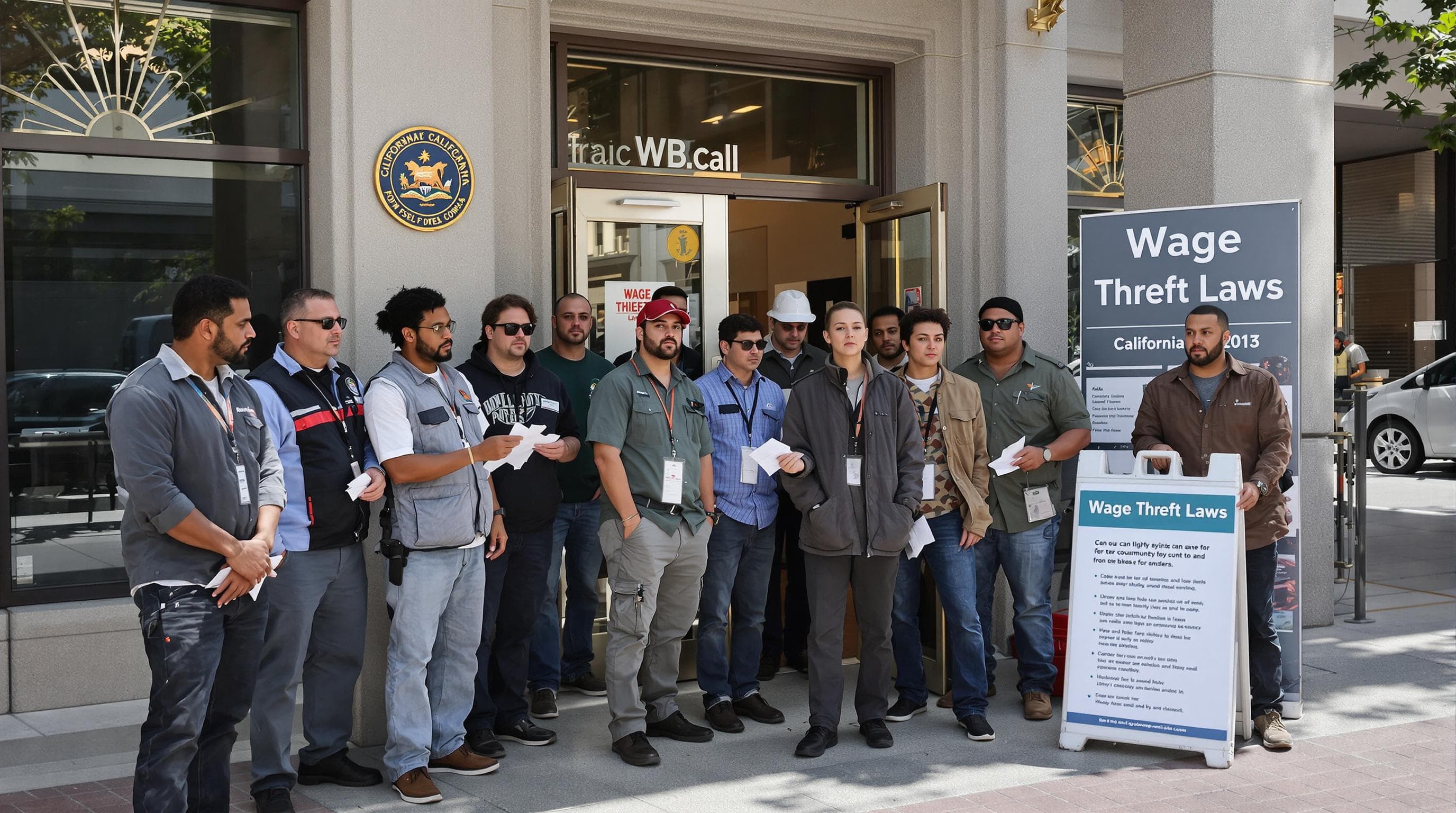
Table of Contents
- Understanding California Wage Theft Laws
- Defining Wage Theft In California
- Legal Protections And Recent Legislative Updates
- Employer Accountability And Worker Rights
- Common Wage Theft Scenarios For Employees
- Filing A Wage Theft Claim In California
- Legal Rights Against Retaliation And Wrongful Termination
- Understanding Retaliation Protections
- Protected Activities And Employee Rights
- Legal Remedies And Enforcement
Quick Summary
| Takeaway | Explanation |
|---|---|
| Wage Theft Defined | Wage theft includes illegal practices like unpaid overtime, minimum wage violations, denied breaks, and worker misclassification, affecting many California workers annually. |
| Strengthened Worker Protections | Recent amendments to laws, including PAGA, have enhanced protections, allowing workers to retain more penalties and prohibiting lower pay for disabled employees effective January 1, 2025. |
| Claim Filing Process | Employees can file claims through the Labor Commissioner’s Office, private lawsuits, or PAGA claims, each requiring proper documentation and adherence to specific procedures. |
| Retaliation Protections | Workers reporting wage theft are protected from retaliation, with legal presumption shifting to employers in adverse actions following protected activities. |
| Documentation is Key | Employees should meticulously document hours, pay stubs, and communications, as this evidence is crucial for pursuing wage theft claims and retaliation cases. |
Understanding California Wage Theft Laws
Wage theft represents a serious violation of worker rights that impacts thousands of California employees annually. The legal landscape surrounding these violations has become increasingly complex, with recent legislative changes strengthening protections for workers across the state.
Defining Wage Theft in California
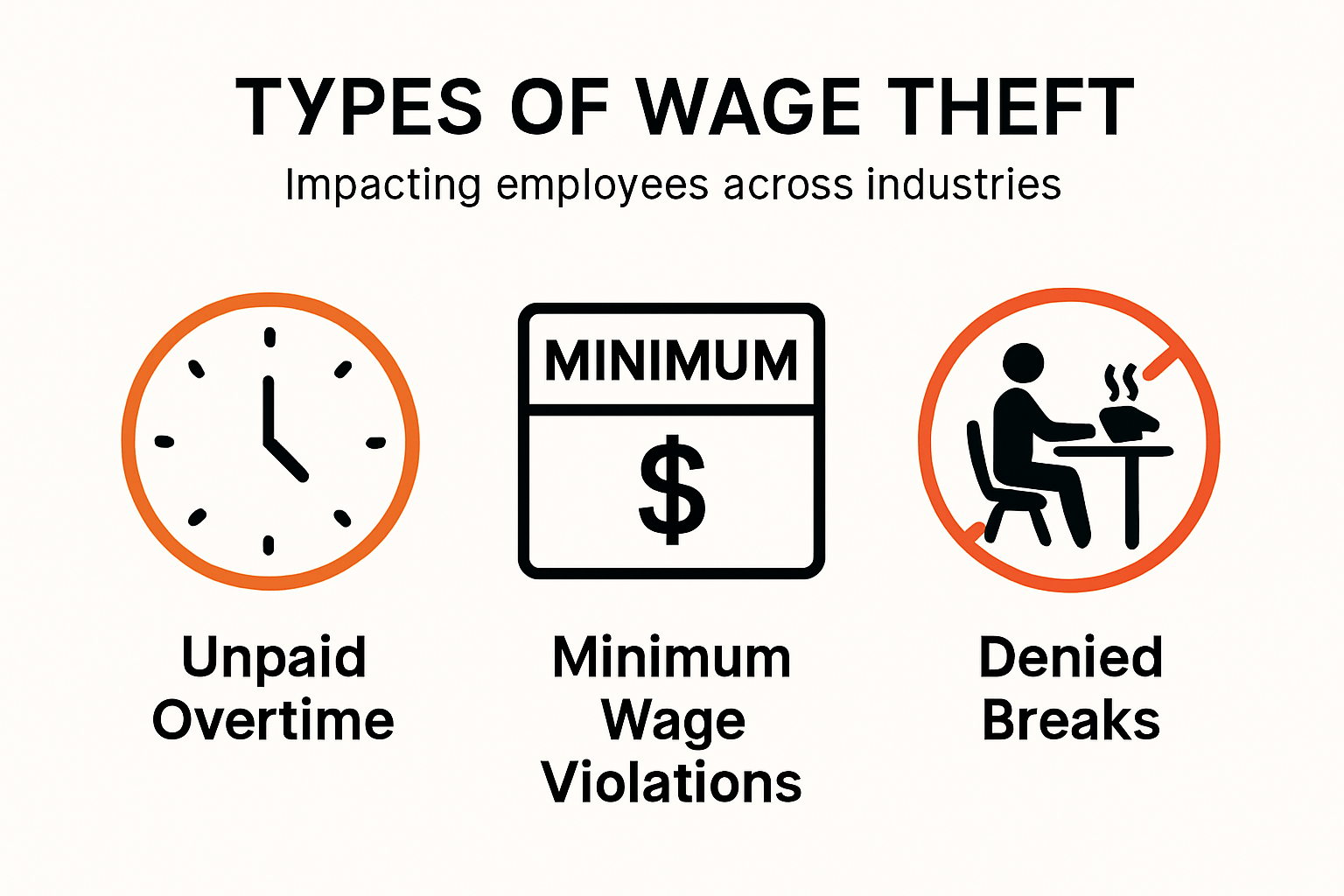
Wage theft encompasses multiple forms of illegal compensation practices where employers deliberately underpay or fail to compensate employees for their work. This can include scenarios such as unpaid overtime, minimum wage violations, denied meal and rest breaks, illegal deductions from paychecks, and misclassification of workers as independent contractors to avoid paying proper wages and benefits.
According to a UC San Francisco survey, an alarming 41% of hourly workers in California experienced at least one serious labor law violation in the past year. These statistics underscore the critical need for robust legal protections and employee awareness.
Legal Protections and Recent Legislative Updates
California has some of the strongest wage theft protections in the United States. The state’s recent legislative amendments, particularly the modifications to the Private Attorneys General Act (PAGA), have significantly enhanced workers’ ability to fight wage theft. Recent changes to PAGA now allow workers to retain a larger share of penalties (increased from 25% to 35%) and provide more opportunities for employers to remedy violations before facing lawsuits.
Starting January 1, 2025, additional protections will go into effect. For instance, the state’s Equal Pay Act now explicitly prohibits paying employees with physical or mental disabilities less than the legal minimum wage, further expanding worker protections.
Employer Accountability and Worker Rights
Employers in California face significant legal consequences for wage theft. Workers have multiple avenues to address these violations, including filing complaints with the California Labor Commissioner’s Office, pursuing private lawsuits, or utilizing the Private Attorneys General Act provisions. Our comprehensive guide on claiming unpaid wages can provide additional insights into your legal options.
Key protections include the right to recover unpaid wages, potential additional compensation for damages, and protection from retaliation when reporting wage theft. Employees who suspect they have been victims of wage theft should document all relevant information, including pay stubs, work schedules, and communication with employers.
Understanding these laws is crucial. Workers have the power to challenge unfair compensation practices and hold employers accountable for illegal wage theft. By staying informed and knowing their rights, California employees can effectively protect themselves from financial exploitation in the workplace.
Common Wage Theft Scenarios for Employees
Wage theft remains a pervasive issue affecting workers across various industries in California. Understanding the most common scenarios helps employees recognize potential violations and protect their hard-earned compensation.
Overtime and Minimum Wage Violations
One of the most frequent forms of wage theft involves employers deliberately underpaying workers or refusing to compensate overtime hours. According to the California Labor Commissioner’s Office, unauthorized wage practices can take multiple forms. Employers might misclassify employees as independent contractors, intentionally underreport hours worked, or fail to pay the state’s legal minimum wage.
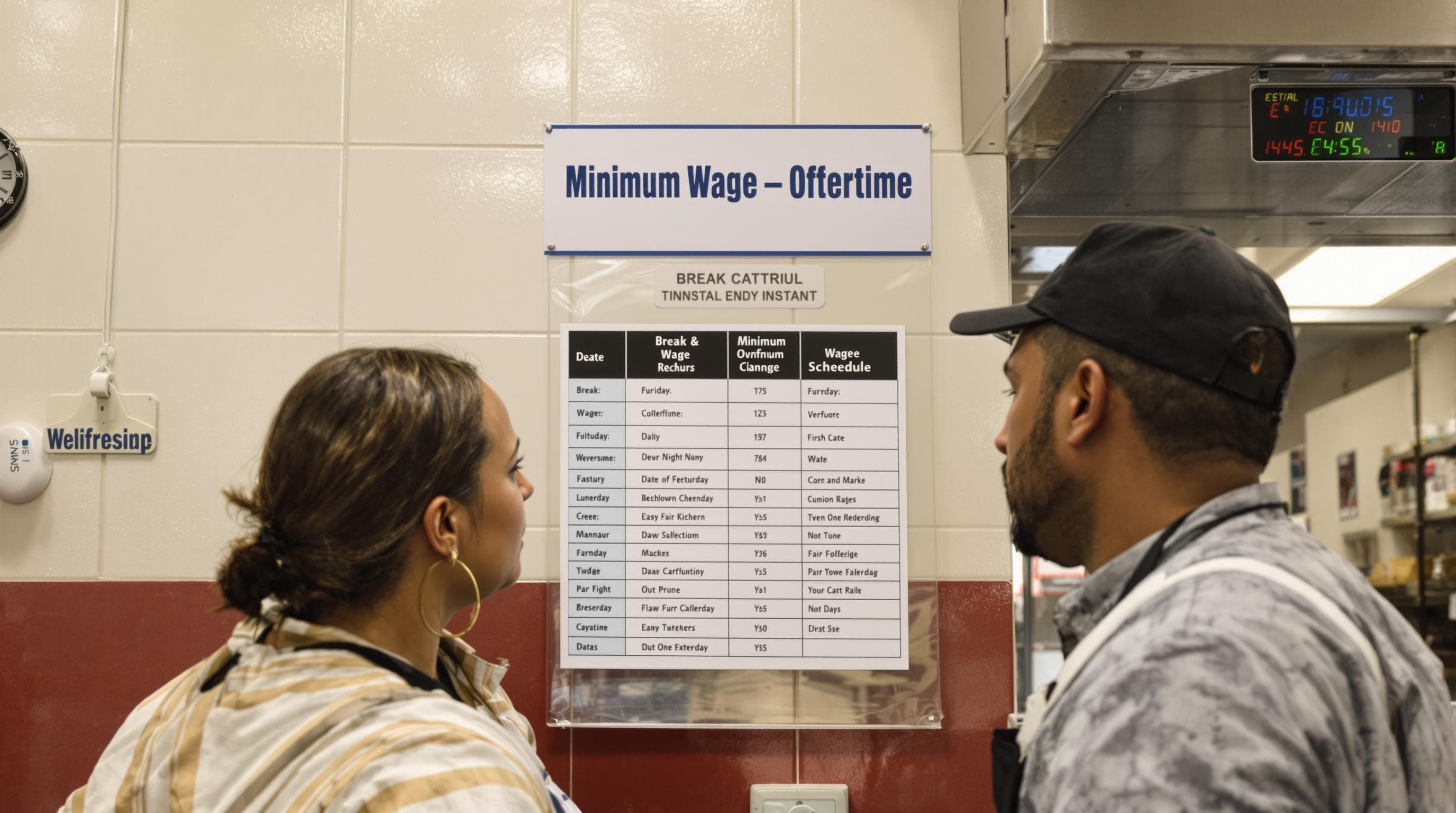
In California, workers are entitled to overtime pay for hours worked beyond 8 in a single day or 40 in a week. Some employers attempt to circumvent these rules by manipulating time records, pressuring employees to work off the clock, or implementing informal policies that discourage reporting additional hours.
Meal and Rest Break Infractions
California law mandates specific meal and rest break requirements that many employers routinely violate. Non-exempt employees are legally entitled to:
- 10-minute paid rest breaks for every 4 hours worked
- 30-minute unpaid meal breaks for shifts longer than 5 hours
- Additional meal break protections for extended work periods
Employers frequently violate these regulations by:
- Preventing employees from taking mandated breaks
- Interrupting or cutting short legally required rest periods
- Failing to provide adequate break facilities
- Implementing policies that discourage taking breaks
Our comprehensive guide on employee rights can help workers understand these critical protections.
Additional Wage Theft Tactics
Beyond overtime and break violations, wage theft manifests through various sophisticated methods. These include:
- Illegal paycheck deductions without employee consent
- Managers or owners appropriating employee tips
- Refusing to pay accrued sick leave
- Withholding final paychecks after employment termination
Research from a UC San Francisco survey reveals that 41% of hourly workers experience at least one serious labor law violation annually. This staggering statistic underscores the importance of workers understanding their rights and being vigilant about potential wage theft.
Employees suspecting wage theft should meticulously document work hours, pay stubs, communication with employers, and gather evidence. Consulting with an employment law professional can provide personalized guidance and help workers recover unpaid wages and seek appropriate legal remedies.
To help readers quickly review the most common wage theft scenarios and examples, the following table organizes these violations and their descriptions.
| Type of Wage Theft Violation | Description/Example |
|---|---|
| Overtime Pay Violation | Not paying for hours worked over 8/day or 40/week |
| Minimum Wage Violation | Paying less than state required minimum wage |
| Denied Meal Breaks | Not providing 30-min unpaid meal break for shifts over 5 hours |
| Denied Rest Breaks | Not allowing 10-min paid break every 4 hours |
| Illegal Deductions | Removing pay from paycheck without consent |
| Tip Theft | Managers/owners taking tips meant for employees |
| Misclassification | Labeling employees as contractors to avoid paying wages/benefits |
| Withholding Final Paycheck | Delaying or refusing to issue last paycheck after termination |
Filing a Wage Theft Claim in California
Filing a wage theft claim in California can be a complex process that requires careful documentation, strategic planning, and understanding of legal procedures. Workers have multiple avenues to seek justice and recover unpaid wages, each with specific requirements and potential outcomes.
Initial Steps and Documentation
Before initiating a wage theft claim, employees must meticulously gather and preserve evidence. Critical documentation includes pay stubs, time records, work schedules, employment contracts, and any communication with employers regarding compensation. Learn more about preparing your wage claim documentation.
The California Labor Commissioner’s Office emphasizes that all workers, regardless of immigration status, are protected under state labor laws. This crucial protection ensures that vulnerable workers can seek justice without fear of additional legal repercussions.
Legal Claim Procedures
California offers workers three primary methods for addressing wage theft:
Labor Commissioner’s Office Claim: Workers can file a wage claim directly with the state, which investigates and potentially conducts hearings to recover unpaid wages.
Private Lawsuit: Employees can file a civil lawsuit against employers, potentially recovering damages beyond unpaid wages.
Private Attorneys General Act (PAGA) Claim: This unique mechanism allows workers to file representative actions on behalf of themselves and other similarly situated employees.
Recent legislative changes have modified PAGA procedures. Recent amendments now require plaintiffs to have experienced actual violations and provide employers more opportunities to remedy violations before facing lawsuits.
To simplify the process of choosing how to file a wage theft claim, the following table compares the three main legal options available to California employees.
| Claim Option | Who Handles the Claim | Key Features | Typical Outcome |
|---|---|---|---|
| Labor Commissioner’s Office | State Labor Authority | Investigation, hearings, less formal | Unpaid wages, possible penalties |
| Private Lawsuit | Employee’s Attorney/Courts | Can recover damages, legal fees, formal | Unpaid wages + possible damages |
| PAGA Claim | Employee as “Private AG” | For systemic violations, class-like | Penalties, % of penalties to worker |
Enforcement and Potential Outcomes
California is implementing increasingly aggressive strategies to combat wage theft. In February 2025, Senator Sasha Renée Pérez introduced legislation that would allow the Labor Commissioner’s Office to suspend or revoke driver’s licenses and vehicle registrations of employers who fail to pay outstanding wage theft judgments.
Potential recovery options for workers include:
- Unpaid wages
- Interest on unpaid wages
- Potential penalties against the employer
- Legal fees and court costs
Workers should be aware that time limits exist for filing wage theft claims. Most claims must be filed within three years of the violation, though some specific circumstances might extend or limit this timeframe.
Navigating a wage theft claim can be challenging. Consulting with an experienced employment law attorney can provide personalized guidance, help assess the strength of your case, and determine the most effective strategy for recovering stolen wages. Professional legal support ensures that workers understand their rights and maximize their potential for successful resolution.
Legal Rights Against Retaliation and Wrongful Termination
Employees who report wage theft or workplace violations face significant legal protections against retaliation and wrongful termination. California’s robust employment laws provide comprehensive safeguards to ensure workers can assert their rights without fear of professional consequences.
Understanding Retaliation Protections
California’s legal framework offers extensive protections for employees who expose workplace misconduct. According to the California Labor Code Section 1102.5, workers are legally shielded when they report violations of state or federal laws, refuse to participate in illegal activities, or cooperate with investigations.
Effective January 1, 2024, the Equal Pay and Anti-Retaliation Protection Act (SB 497) introduced a critical legal presumption. Research from SHRM indicates that if an employee experiences adverse action within 90 days of engaging in protected activities, there is now a rebuttable presumption of retaliation. This means the burden of proof shifts to the employer to demonstrate that the action was not retaliatory.
Protected Activities and Employee Rights
California law explicitly protects employees who engage in various workplace disclosure activities. The California Labor Code prohibits employers from retaliating against workers who:
- Disclose their own wages
- Discuss workplace compensation
- Share information about working conditions
- Report potential labor law violations
- Participate in workplace investigations
Our comprehensive guide on workplace retaliation provides detailed insights into recognizing and addressing retaliatory actions.
Wage Theft Legal Remedies and Enforcement
Employees who experience retaliation or wrongful termination have multiple legal recourse options. Potential remedies include:
- Reinstatement to their previous position
- Compensation for lost wages
- Damages for emotional distress
- Potential punitive damages in cases of egregious misconduct
- Legal fees and court costs
Workers must document all incidents of potential retaliation, including dates, specific actions, and any communication related to the alleged misconduct. Timely filing of complaints is crucial, as most retaliation claims must be initiated within specific statutory timeframes.
Navigation of retaliation claims requires strategic legal approach. Consulting with an experienced employment law attorney can help workers understand their rights, assess the strength of their case, and determine the most effective strategy for seeking justice. Professional legal guidance ensures that employees can confidently assert their rights and challenge unlawful workplace practices.
Frequently Asked Questions
What is wage theft in California?
Wage theft in California refers to illegal practices where employers underpay or fail to pay employees for their work, including unpaid overtime, minimum wage violations, denied breaks, and misclassification of employees.
What protections do employees have against wage theft in 2025?
In 2025, California’s wage theft protections are strengthened, allowing workers to retain a larger share of penalties and providing explicit protections against paying employees with disabilities below the minimum wage.
How can I file a wage theft claim in California?
You can file a wage theft claim in California through three primary methods: by submitting a claim to the Labor Commissioner’s Office, pursuing a private lawsuit, or filing a claim under the Private Attorneys General Act (PAGA).
What are my rights if I experience retaliation for reporting wage theft?
Employees reporting wage theft are protected from retaliation under California law. If you face adverse actions within 90 days of reporting, there is a legal presumption of retaliation, and employers bear the burden to prove they acted lawfully.
Take Action Against Wage Theft With Huprich Law
If you have recognized the signs of wage theft described in this article—such as unpaid overtime, denied breaks, or being misclassified by your employer—you are not alone. These injustices impact thousands of California workers each year and too often go unchallenged. The law is on your side but enforcing your rights takes informed guidance and decisive action. Learn more about your protections and next steps by visiting our dedicated Unpaid Wages and Overtime resource page, where you will find clear explanations and tools that address your wage concerns directly.
Every day matters when your pay and job security are at risk. Connect with the legal team at Huprich Law now. We are committed to helping California workers fight back against wage theft and workplace retaliation. Our personalized and contingency-based approach means you pay nothing unless we win for you. If you think your rights have been violated, do not wait. Contact our employment law experts today to protect your income and your future.
Recommended
- Legal Advice Employees and Professionals Can Count On
- What You Need To Know About Wage Theft in Koreatown
- Reasons Why You Need to Hire an Employment Lawyer
- Important Facts About State & Federal Law on Employee Rights
- What Burbank Employees Need to Know About The New Pay Rules
- Understanding Unlawful Termination in California
https://huprichlaw.com/california-wage-theft-laws-2025-employee-rights/?fsp_sid=1966


Comments
Post a Comment